Meet What You Eat: The Old Mill

Our one small change this month is to meet our food sources. It can be really vexing to know where to start but it seems that the easiest place is by reading the food labels of the things we eat. A great and humorous guide to all of this is Michael Pollan's "Food Rules", one of which is "If a third grader can't pronounce it, you shouldn't be eating it."

We have cleaned our pantry,which was pretty clean to begin with, and introduced the kids to our local market which sells only organic food and much of it local.

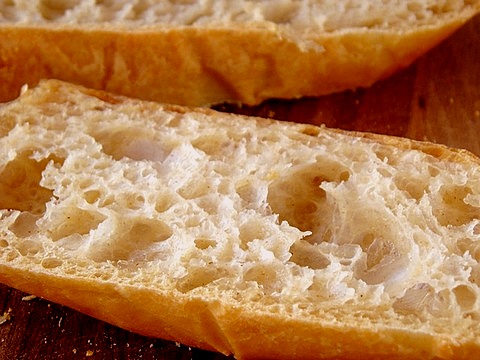
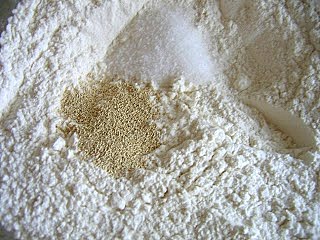
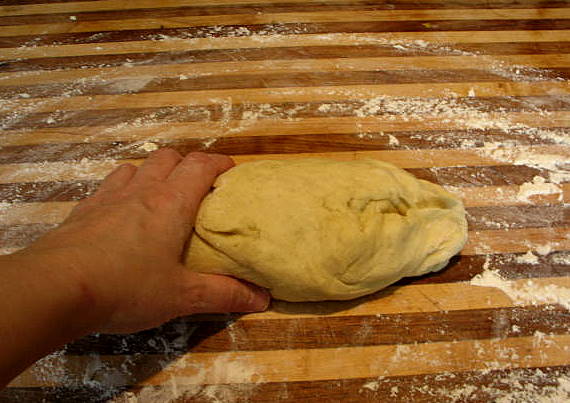
Though we have taken many food journeys over the last two weeks, the one that is sticking out for me now is bread baking. About a year ago I purchased a book called,"5 Minute Bread". Mimi really wanted to give this a try and for the most part we have been baking our bread. There is something about freshly baked bread which makes it disappear quickly. At times I haven't been able to keep up with the demand.
The old mill 4 Birthday and Semlor_4155 The old mill 5

 I usually use King Arthur unbleached flour but while we were at "The Market" I noticed that there was a local choice, and that is stoned ground flour from "The Old Mill".
The old mill 1

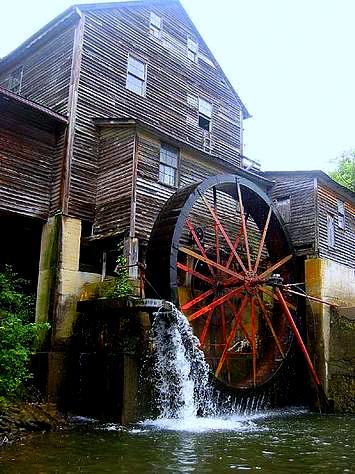
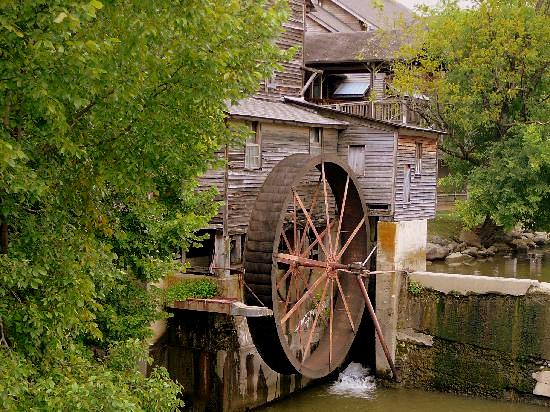
In the early 1800's, a water-powered gristmill on the banks of the Little Pigeon River became one of the main hubs of activity in the small mountain community of Pigeon Forge, Tennessee. In those days, the mill faithfully produced the meals and flours that were crucial for the day-to-day existence of the Smokies' early settlers. In fact, The Old Mill even furnished electricity for the town until 1935.
The old mill 2

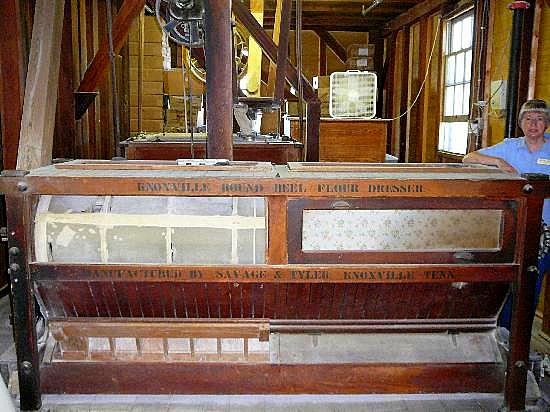
One of The Old Mill's most distinctive features is the giant water wheel that harnesses the flow of the Little Pigeon River. Inside the structure, an antiquated yet reliable system of shafts, belts, and pulleys still gets the job done, working to turn the 4600-pound stones and grain elevators.

Weighing one ton each, the massive flint granite stones, called French Buhrs, are only the second set ever used in The Old Mill's 175-year history. When they're in action, the stones convert grain into about 1000 pounds of product each day, six days a week. Resident millers then hand-fill, weigh and tie each bag of stone ground grain.
The old mill 3

With the "5 Minute" Bread book we are really able to have quick and good homemade bread without the extreme daily labor.  It is so simple that anyone in this house is able to mix up a batch of dough for the next day. This one small change has brought us not only great bread but many happy moments in the kitchen together.


Comments

9 responses to “Meet What You Eat: The Old Mill”

  1. Valerie, that bread looks amazing. I think that it is wonderful that you are meeting what you eat (I love the phrase). It is so nice to make our own bread, and to bring our selves back to a sense of connection to our food.
    How cool that there is a local source for flour, that makes the experience even better

    Like

  2. Absolutely beautiful! And a great history lesson. Made me feel thoughtful as well as curious of your book, 5 Minute Bread.

    Like

  3. what an incredible asset for your community. Oh I can’t even imagine it, living here in a huge city. I was only thinking this morning, as I carried plastic waste to the bin (ugh!) that after careful perusing of the market aisles- supermarkets, organic markets, health food stores, etc. – the only option to not using plastic in many many instances, is making it yourself. Just this morning – the crumpets are wrapped in plastic, the butter comes in plastic, the milk comes in plastic, bread comes in plastic, the yoghurt comes in plastic. And I don’t buy the mass produced varieties – I buy organic, locally made food with few ingredients (Michael Pollan’s rule “if it has more than five ingredients!) Ah-yay-yay! Good for you taking the bread out of this equation. I should get back to bread baking – yours looks delicious!

    Like

  4. I am so loving your meet what you eat series. Don’t stop when the month is over, ok? ๐Ÿ˜‰
    The mill is fantastic! THanks for all the pics–I was curious.
    I have had a heck of a time trying to source local flour/grains. There’s gotta be an old mill like this is Massachusetts, still working.

    Like

  5. That bread does look yummy! And to use local ingredients is so awesome! I have found that when I make bread it is gone by the end of the day…something I need to do more often! We are baking a lot more these days, but I am still lacking in the bread department!
    Thanks for linking to this on our new blog. I wanted to remind you to (when you get a chance) change the link from our old page to our new One Small Change Blog here http://1smallchangeblog.blogspot.com/
    and, we are having a surprise giveaway in March, so make sure to have your March change post up by March 5th and come back to the blog to post your link in the comments section!
    Thanks Valarie!
    Suzy

    Like

  6. I love those photos of the mill – what a truely wonderful find! I think all of us that take part in one small change are going to find our lives so enriched by what we discover and change through this process. A win win situation all round! ๐Ÿ˜€

    Like

  7. Great post! I love the recipes from that cookbook, and your bread looks especially yummy. The mill pictures and story are lovely.

    Like

  8. oh I love these bread making posts – what a great thing to discover a local source. I must have a look for the 5 mintue book…

    Like

  9. The bread book changed my life. Please have a look. There is nothing better than freshly baked bread.

    Like

Leave a comment