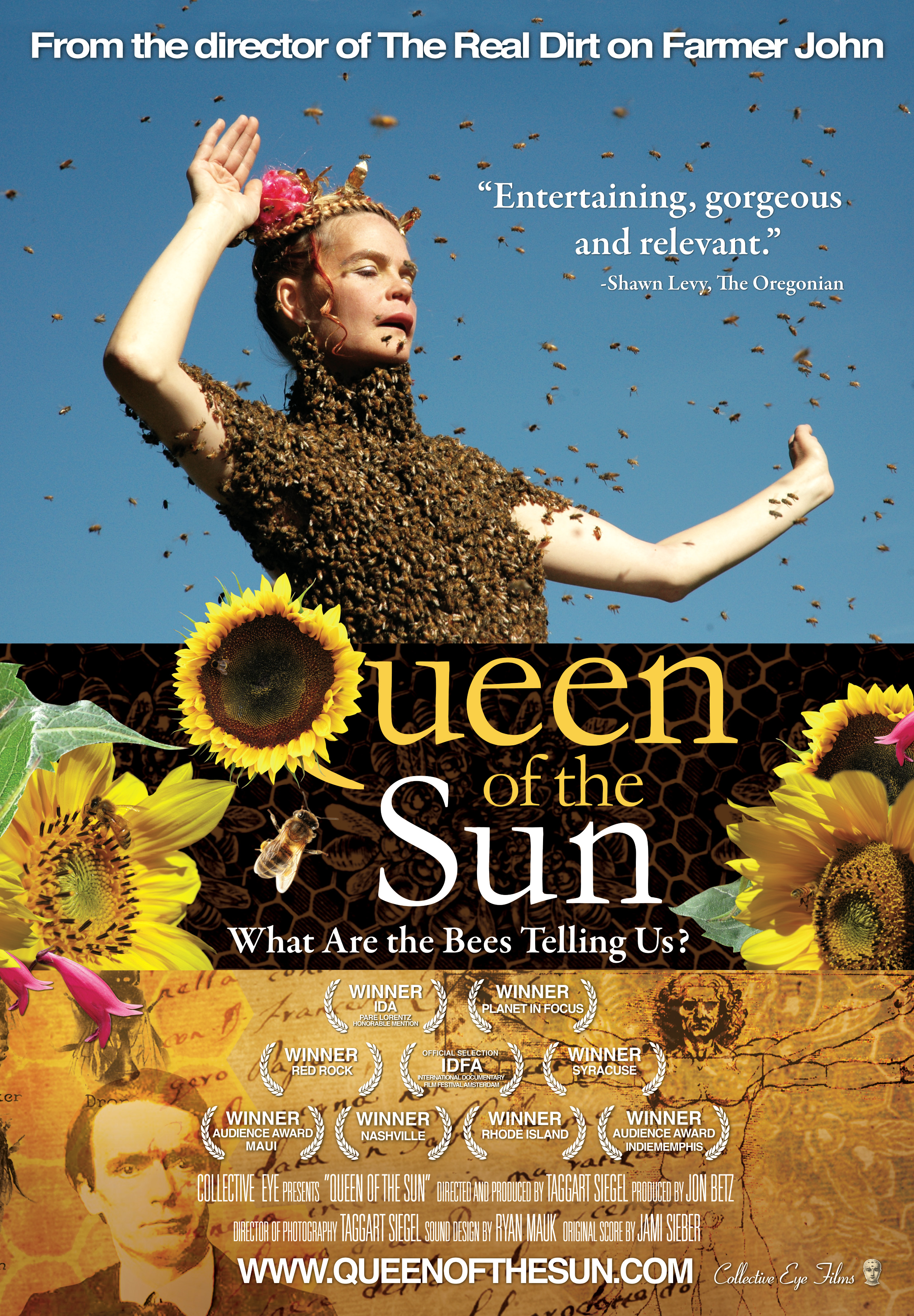
(Today's photos are from the press kit of Queen of the Sun.)
Recently I had the great occasion to see the most inspiring of movies, Queen of the Sun. We so often hear how our world is in peril and well just plain doomed. The solution is always the same, that we must change the way we are doing things.
Last year, while I was in Sweden, I got to observe first hand the life of a beekeeper. It absolutely fascinated me. I had been afraid of bees all of my life because of that whole stinging thing. Being a gardener, I know how important the bee is but I just acknowledged them and kept my distance.
Donning a bee-suit and going in to a hive of drones, I lost my fear and was introduced into the most spectacular world of bees.
During the movie, one of the featured beekeepers was saying that the bees choose the beekeeper. By the end of this movie, I was hoping that the bees would one day choose me.
It was also so heartwarming to see an "old-friend" so to speak. Rudolf Steiner has been a force in my life as of late and once again not only does he deal with the whole person through their seasons of living but the whole earth as well.
(From Queen of the Sun)
In 1923, Rudolf Steiner, an Austrian scientist, philosopher & social innovator, predicted that in 80 to 100 years honeybees would collapse. Now, beekeepers around the United States and around the world are reporting an incredible loss of honeybees, a phenomenon deemed “Colony Collapse Disorder.” This “pandemic” is indicated by bees disappearing in mass numbers from their hives with no clear single explanation. The queen is there, honey is there, but the bees are gone.

For the first time, in an alarming inquiry into the insights behind Steiner’s prediction QUEEN OF THE SUN: What Are the Bees Telling Us? investigates the long-term causes behind the dire global bee crisis through the eyes of biodynamic beekeepers, commercial beekeepers, scientists and philosophers. QUEEN OF THE SUN features world renowned biodynamic beekeeper Gunther Hauk, New York Times bestselling-author Michael Pollan, Indian Activist Vandana Shiva, and a compelling cast of characters from around the world. Together they take us on a journey through the catastrophic disappearance of bees and into the mysterious world of the beehive. The film unveils 10,000 years of beekeeping, illuminating the deep link between humans and bees and how that historic and sacred relationship has been lost due to highly mechanized industrial practices. Beekeeper Gunther Hauk calls the crisis, “More important even than predictor of gloom. The film weaves the ‘beauty with the beast’: landscapes and beescapes contrast chillingly with the harshness of the Monsanto-dominated global agriculture. The expertise of the scientists and philosophers is clear as they present their cases in an easy-to-digest, unfolding manner, complemented by artful animation and clear compelling imagery.

The characters in Queen of The Sun share a common belief that solutions to the bee crisis lie in a renewal of agriculture and beekeeping that supports the needs of the bee and therefore supports the planet. While their solutions are simple and practical, they are not easy. Queen of The Sun demonstrates their immense efforts to rebuild a community in balance with nature.

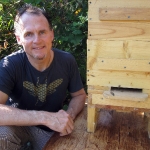
Queen of The Sun presents a compassionate inquiry into the struggle of commercial beekeepers who, when faced with skyrocketing demand and staggering losses, do their best with the methods they were taught, often unaware that their standard practices are seriously flawed. For example, artificially bred bees are malnourished on a diet of high-fructose corn-syrup, are confined in plastic hives and are transported thousands of miles, bombarded by exhaust fumes, only to be over-worked in crops soaked in pesticides. A stunning revelation- that to manufacture a single non-organic cotton tee shirt, one third of a pound of pesticide is used- underscores the sheer volume of toxic chemicals commonly being applied to crops. Because of these conditions, the exhausted and weakened pollinators become easy prey for mites, climate change, environmental radiation, viruses, air and water pollution, and the challenging effects of genetically modified crops.

Media amplifies alarm about the worldwide collapse of bee colonies and scientists hunt for a silver bullet cure. In the meantime, bee advocates strive to renew a culture that takes its cues from the hive. They have wisely recognized that the bees, themselves, are our guides and they have looked to the bees’ example of collaboration and community as the model for their own actions. Einstein was right: it is impossible to change any problem by using the same tools that created it. With that in mind, Queen of The Sun highlights non-traditional approaches that do much to create positive global change.

The world is at an opportune moment to see the film. The current possibility for positive change and the universal commitment to saving our planet’s future are linked. Queen of The Sun mirrors the hopefulness of this time of volatile transformation and reassessment. The optimistic response of those who saw The Real Dirt on Farmer John leads us to believe that people are ready to confront the decline of the honeybee population and its dire consequences and to embrace the changes illuminated in the film. It is the positive and hope-laden message of Queen of The Sun that opens its viewers’ minds to the real possibility of a sustainable, healthy and verdant future.
This movie isn't to be missed. I was mesmerized throughout the entire film. Here's a short inspiring clip.


 A Place Like This
Leave a reply to AG Ambroult Cancel reply